


In this year’s budget, the federal government announced a number of measures to help Canadians who are trying to put together a down payment for the purchase of a first home.
In this year’s budget, the federal government announced a number of measures to help Canadians who are trying to put together a down payment for the purchase of a first home.

By the beginning of August almost every Canadian has filed his or her income tax return for the previous year and has received the Notice of Assessment issued by the Canada Revenue Agency (CRA) with respect to that filing. Most taxpayers, therefore, would consider that their annual filing and payment obligations for the year are now in the past.

Canadian businesses should be aware that, while many programs which provided payroll or expense supports for businesses during the pandemic ended on May 7, 2022, there is still a program in place to help employers with payroll costs. As well, even for programs which ended on May 7, applications can still be made for relief for claim periods prior to that date.

Since 2009, Canadians have been living (and borrowing) in an ultra-low-interest-rate environment. Between January 2009 and January 2022, the bank rate (from which commercial interest rates are determined) was (except for a brief period in 2018) never higher than 1.50% – and was almost always lower than that.

By the time August 2022 arrives, virtually all individual Canadians have filed their income tax return for the 2021 tax year, have received a Notice of Assessment from the tax authorities with respect to that return, and have either received their refund or reluctantly paid any balance of tax owing.

As pandemic restrictions ease, the option of sending kids to summer camp is once again a realistic one and, for both kids and parents, the possibility of doing so must be particularly welcome this year.
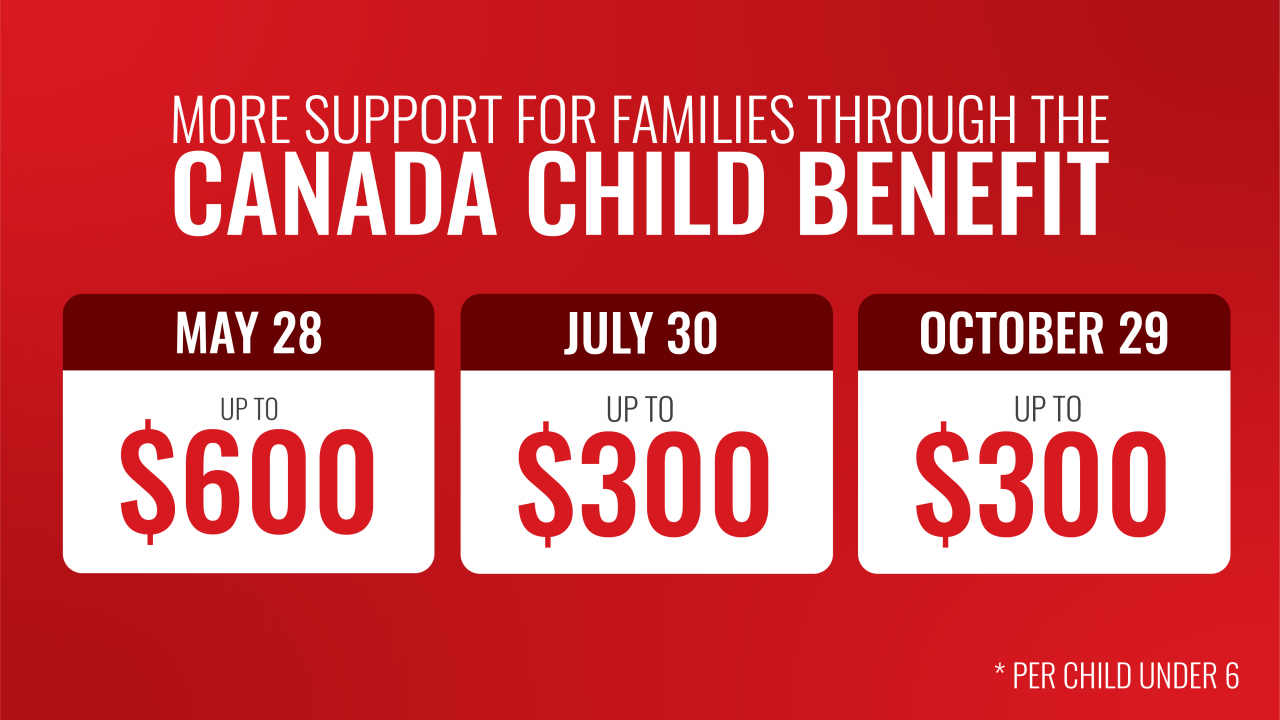
At a time when Canadian households are coping simultaneously with rising interest rates and an inflation rate which recently hit its highest point in nearly four decades, every dollar of income counts. And where that income can be obtained with minimal effort, and received tax-free, then it’s a win-win for the recipient.
When a public health emergency was declared in March of 2020, the focus for the federal government was getting pandemic benefits into the hands of eligible recipients as quickly as possible, to help mitigate the sudden financial crisis faced by so many Canadians.

If Canadians have the feeling that they are being squeezed from all sides when it comes to household finances, it’s because they are. In 2022 Canadian consumers have been hit by a double whammy of three successive interest rate hikes since March (with more increases almost certainly on the horizon) while dealing at the same time with increases in the cost of everyday goods to an extent that has not been seen, in some cases, for as much as forty years.
Many, if not most, taxpayers think of tax planning as a year-end exercise to be carried out in the last few weeks of the year, with a view to taking the steps needed to minimize the tax bill for the current year.